Professional Wildlife Removal: Shield Your Home From Unwanted Pests
Proper wildlife removal is critical for homeowners dealing with unwanted animals. Skunks, raccoons, and squirrels can lead to substantial property damage and serious health concerns. Spotting evidence of intrusion, like droppings and tracks, is the primary step in handling these situations. Knowing how to seal entry points and use humane removal methods can have a meaningful impact. That said, understanding when to contact professional services may be crucial to ensuring a safe and healthy environment. What factors should homeowners evaluate from this point start now on?
Spot Common Wildlife Pests in Your Locality
How do homeowners successfully spot familiar wildlife pests in their region? Understanding the local ecosystem is vital for homeowners seeking to manage wildlife encounters. Many regions commonly support different pests, like raccoons, squirrels, and skunks, each possessing individual behaviors and habitats. Homeowners should familiarize themselves with these animals' characteristics, such as size, fur patterns, and typical locations. For instance, raccoons are often seen rummaging through garbage, while squirrels may nest in attics or trees.
Studying regional wildlife through extension services or online resources can deliver useful guidance. Furthermore, engaging with neighbors can expose collective community experiences and common challenges. Noting seasonal changes is likewise vital, as various pests can become more prominent at certain points throughout the year. Through gathering this information, residents can proactively manage wildlife challenges before they become serious.
Warning Signs of Wildlife Intrusion: What to Look Out For
Animal intrusion can often be detected through several key indicators. Strange sounds after dark, animal droppings, and animal tracks can suggest the existence of unwanted creatures. In addition, destruction of property or insulating materials may help confirm their activity in the area.
Unusual Noises At Night
What could be causing those strange noises reverberating through the night? Many homeowners find themselves baffled by sounds such as scraping, banging, or rustling, which can indicate wildlife intrusion. These sounds frequently come from animals searching for food or shelter within attics, basements, or wall cavities. Raccoons, squirrels, and rodents are frequent offenders, each creating unique noises that can disturb the peace. Additionally, the time of night can reveal more about the intruder; nocturnal creatures tend to be more active after dark. Understanding these acoustic indicators is essential for identifying potential infestations early. Overlooking strange noises may lead to greater property damage and higher repair costs, highlighting the necessity of prompt investigation and action.
Droppings And Animal Tracks
Droppings and prints function as reliable evidence of wildlife intrusion near a residence. Residents ought to remain alert when spotting these indicators to tackle likely infestations before they worsen. Animal droppings can vary in size, shape, and color, according to the particular creature; as an example, raccoon droppings tend to be bigger and include undigested food matter. Footprints found in dirt or dust may identify the animal in question, with specific markings and measurements assisting in determining the species. As an illustration, visible claw imprints could suggest a raccoon or fox nearby. Observing these signs promptly allows for effective wildlife management, minimizing the potential for damage and preserving a safe residential space. Regular inspections can help homeowners stay informed about potential wildlife activity.
Property Or Insulation Damage
Indicators of wildlife activity extend beyond waste and paw prints to include apparent harm to structures and insulation. Residents can detect gnaw marks on beams, walls, or wires, suggesting rodent activity on the property. Gnawed insulation, frequently located in attics or crawl spaces, acts as an additional red flag, as wildlife searches for nesting supplies or sustenance. Moreover, moisture stains or mold can appear if wildlife compromises roofing or siding, causing more extensive damage to the structure. Unexplained odors may also emanate from hidden areas, highlighting potential nesting sites. Prompt recognition of these indicators is essential; addressing damage promptly can prevent costly repairs and guarantee a safer living environment. Vigilance in monitoring property conditions is essential for effective wildlife management.
How to Keep Wildlife Out of Your Home
Preventing wildlife from entering a home is essential for maintaining a safe and comfortable living environment. The initial step involves securing entry points; property owners should survey their property for gaps, cracks, or holes in walls, roofs, and foundations. Closing these gaps with materials such as steel mesh or caulk can keep animals from getting inside.
Furthermore, maintaining your yard properly is necessary. Keeping vegetation trimmed and storing firewood away from the house reduces the likelihood of attracting pests. Additionally, homeowners ought to control food sources by utilizing sealed trash containers and avoiding leaving pet food outdoors.
Placing screens over windows and vents can significantly improve security. Regularly cleaning gutters and removing debris helps deter nesting opportunities. Finally, educating oneself on local wildlife habits can provide valuable insight into potential threats, enabling homeowners to take preventive action. By implementing these strategies, homeowners can greatly reduce the chances of unwanted wildlife intrusions.
Humane Wildlife Removal Techniques
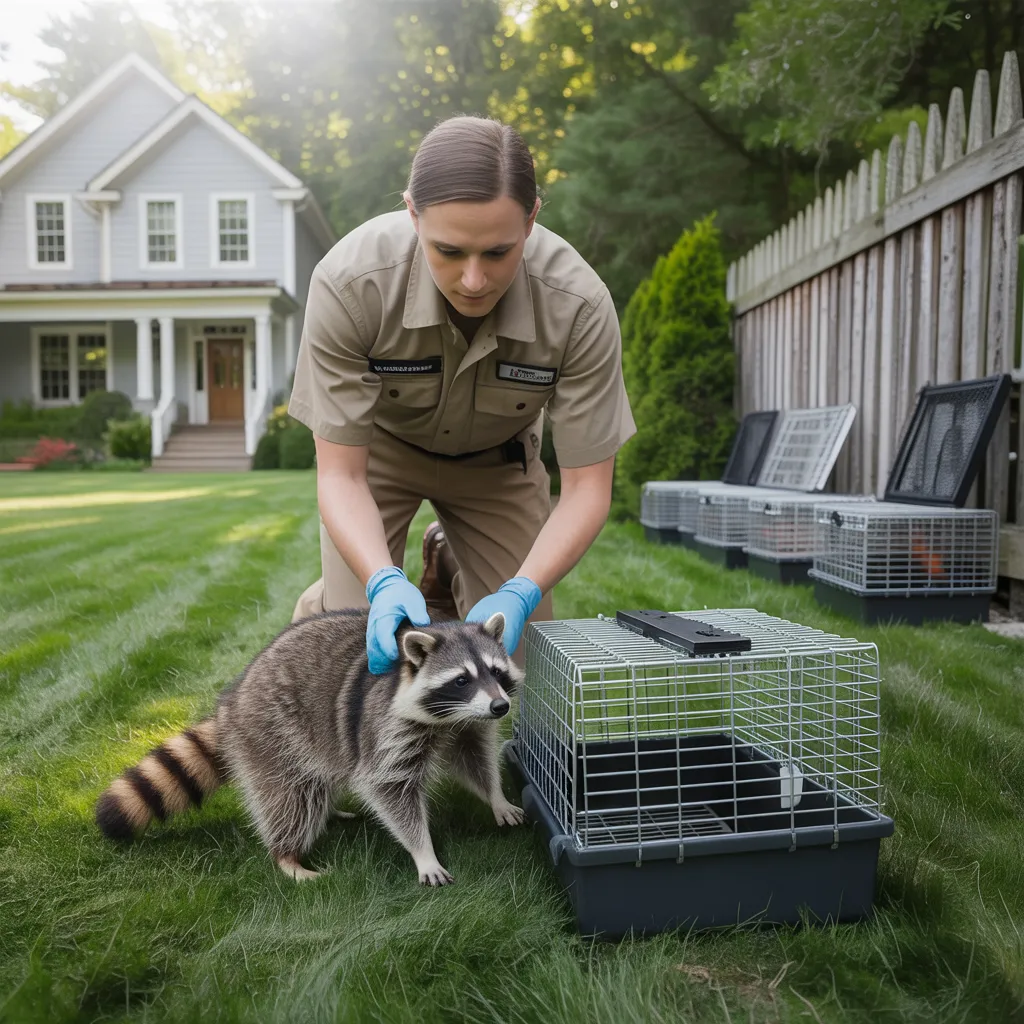
A great number of homeowners encountering wildlife intrusions seek humane removal techniques to ensure both protection and care for the animals involved. These methods prioritize the well-being of the creatures while efficiently managing the situation. A widely used method involves the use of live traps, which permit the trapping of animals without causing injury. When caught, wildlife may be moved to a fitting location well away from residential neighborhoods.
An additional method includes habitat modification, like sealing entry points and securing food sources, deterring wildlife from coming back. Moreover, natural deterrents can be applied to repel wildlife without inflicting harm.
Education plays an essential role, as comprehending animal behavior can produce more practical and humane outcomes. Ultimately, humane wildlife removal techniques reflect a commitment to coexistence, finding an equilibrium between the concerns of homeowners and the welfare of local wildlife.
Essential Safety Guidelines When Dealing With Wildlife
Upon coming across wildlife, it is crucial to remain calm and assess the situation carefully. Watching the animal from a safe distance aids in understanding its behavior and intentions. Close contact ought to always be avoided to protect both personal safety and the well-being of the animal.
Keep Calm And Take Notice
Experiencing wildlife in its natural habitat can be a remarkably exhilarating moment, but it also requires a measured approach to ensure safety for both the observer and the animal. Remaining calm is essential; abrupt motions or sharp sounds can frighten the animal, potentially leading to erratic reactions. Observers should maintain a safe distance, using field glasses or recording devices to admire the animal without disturbing its habitat. It is important to calmly analyze the scenario, observing the creature's actions and environment. Such mindfulness can help determine whether a danger exists. Gaining knowledge of the wildlife's natural patterns and features can enrich the encounter while lowering potential dangers. By doing so, people can appreciate the experience while protecting themselves and the wildlife.
Refrain from Direct Contact
Staying a safe distance away from wildlife is vital to protect both personal safety and the health of the animal. Close contact can cause stress and defensive responses in wildlife, creating the risk of injury for both individuals and animals. It is important to remember that wild animals can carry diseases, such as rabies, which pose serious health risks. People should avoid feeding or trying to handle wildlife, as doing so can interfere with their natural habits and foster reliance on humans. Should an encounter take place, individuals should stay calm and gradually retreat, making sure not to trap the animal. In cases of ongoing wildlife activity, reaching out to professional wildlife removal experts is recommended to handle the matter safely and humanely.
When It Is Time to Call a Professional for Wildlife Removal
Identifying the appropriate time to hire a specialist for wildlife removal can be essential for both health and safety. Residents should contact professional help when they deal with wildlife creatures that present health hazards, such as raccoons, bats, or skunks. These animals can carry diseases and may act aggressively when threatened. Moreover, if wildlife has gained access to living spaces, expert assistance is necessary to avoid structural damage and health risks.
One more case that necessitates professional involvement is when the animal is caring for offspring or has built a nest. This complicates removal efforts and increases the risk of injury. Furthermore, if a homeowner is unfamiliar with the legal requirements surrounding wildlife, experts can offer advice on ethical removal techniques and regional regulations. Ultimately, acknowledging the warning signs of a severe infestation or threat can help ensure a secure and successful outcome for wildlife problems.
Common Questions and Answers
What Are the Laws and Regulations Governing Wildlife Removal in My Area?
Laws and regulations for wildlife removal vary depending on the region, typically governed by local wildlife agencies. Individuals are advised to consult such agencies to familiarize themselves with permits, restrictions, and humane practices needed for handling and transporting wildlife in their area.
Will Wildlife Come Back After Removal, and What Can I Do to Prevent It?
Wild animals can return after being removed if access points remain unsecured. To avoid future intrusions, one must find and close off vulnerable openings, get rid of anything that draws them in, and think about modifying the surrounding habitat around the property to prevent additional unwanted visits.
What Do Professional Wildlife Removal Services Typically Cost?
Prices for wildlife removal professionals commonly range from $200 to $2,500, according to variables such as the animal species, degree of infestation, and geographic location. Extra charges may be added for remediation or preventive solutions.
How Do I Determine What Type of Wildlife Is in My Attic or Basement?
To detect wildlife in attics or basements, one should watch for particular indicators: sounds at night, droppings, nests, and destruction of insulation or wiring. Noticing these clues helps pinpoint the species of animal that has entered.
Do Any DIY Approaches Work Effectively for Wildlife Prevention?
Do-it-yourself techniques for keeping wildlife away include sealing entry points, using natural repellents like peppermint oil, and setting up motion-sensor lighting. These methods can discourage animals from coming near homes without harming the animals.